Chimney Caps and Animal Protection
A good cap keeps rain, leaves, and animals out of the flue. If something has already moved in, we get it out and close the opening for good.
Signs you need this
- Scratching, chirping, or rustling sounds from the chimney
- Sticks, leaves, or nesting material in the firebox
- No cap, or a rusted, bent, or loose cap
- Rain dripping into the fireplace
What’s included
- Removal of nests and debris from the flue
- Stainless steel or copper caps sized to your flue or crown
- Mesh screening that stops animals and sparks
- Check of the flue for damage after animal removal
Why a cap matters
An open flue is an easy way in for rain, leaves, and animals. Water rusts dampers and breaks down the masonry from the inside. Nests block exhaust, which can push smoke and carbon monoxide back into the house. A mesh cap solves all three problems and also stops sparks from landing on the roof.
When animals are already inside
We check what’s there, remove the nest and debris, and inspect the flue for damage. Then we cap the chimney so it doesn’t happen again.
Common questions
Are there animals you can't remove right away?
Some birds, such as chimney swifts, are federally protected while nesting. In that case, we'll explain the timing and cap the chimney once the nest is empty.
What kind of cap should I get?
A single-flue cap covers one flue. A multi-flue or full-crown cap covers the whole top, which also protects the crown. We recommend based on your chimney's layout.
Related services
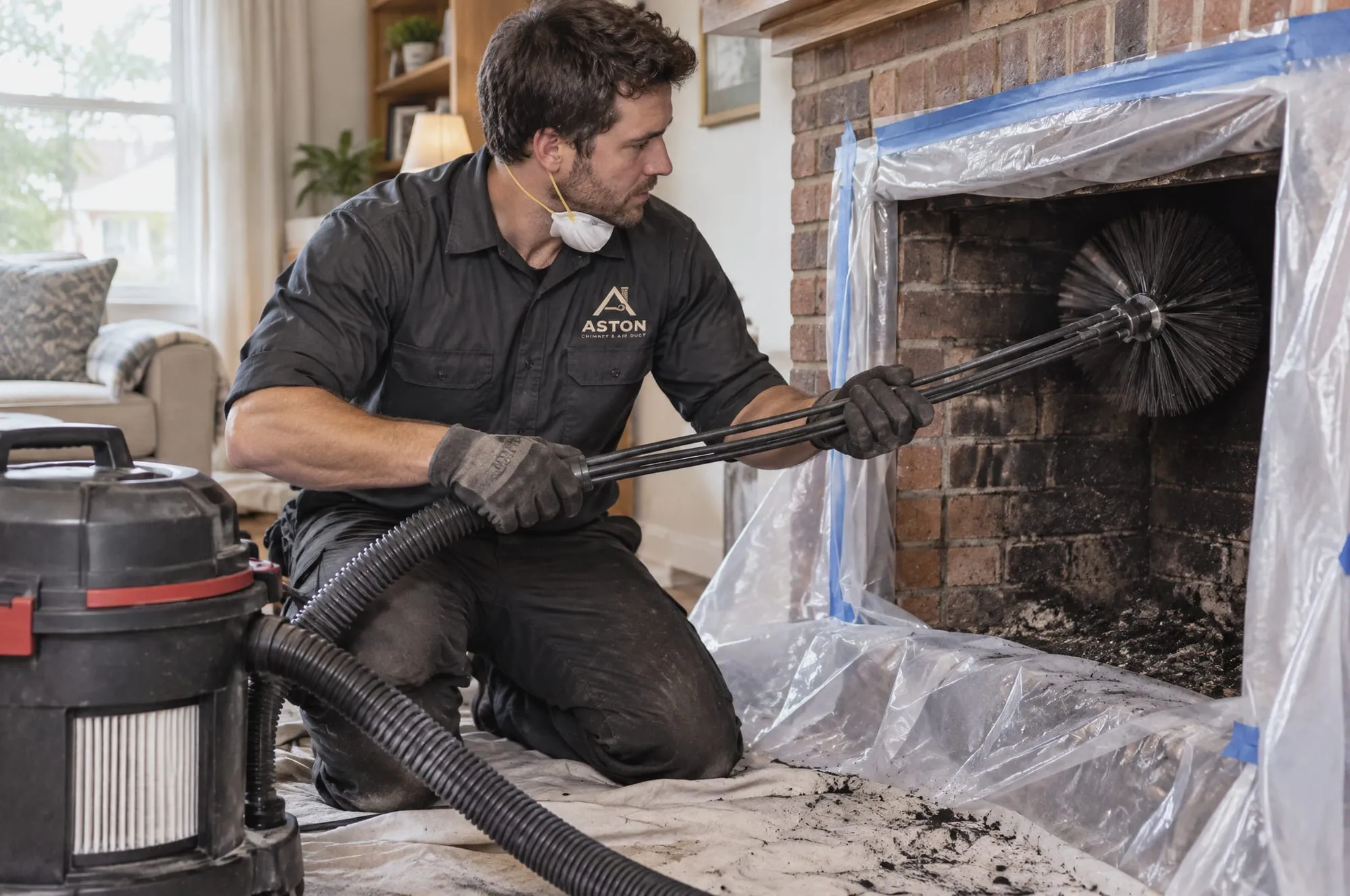
Cleaning & Creosote Removal
Sweeping and creosote removal that cut fire risk, odors, and smoke problems.
Learn more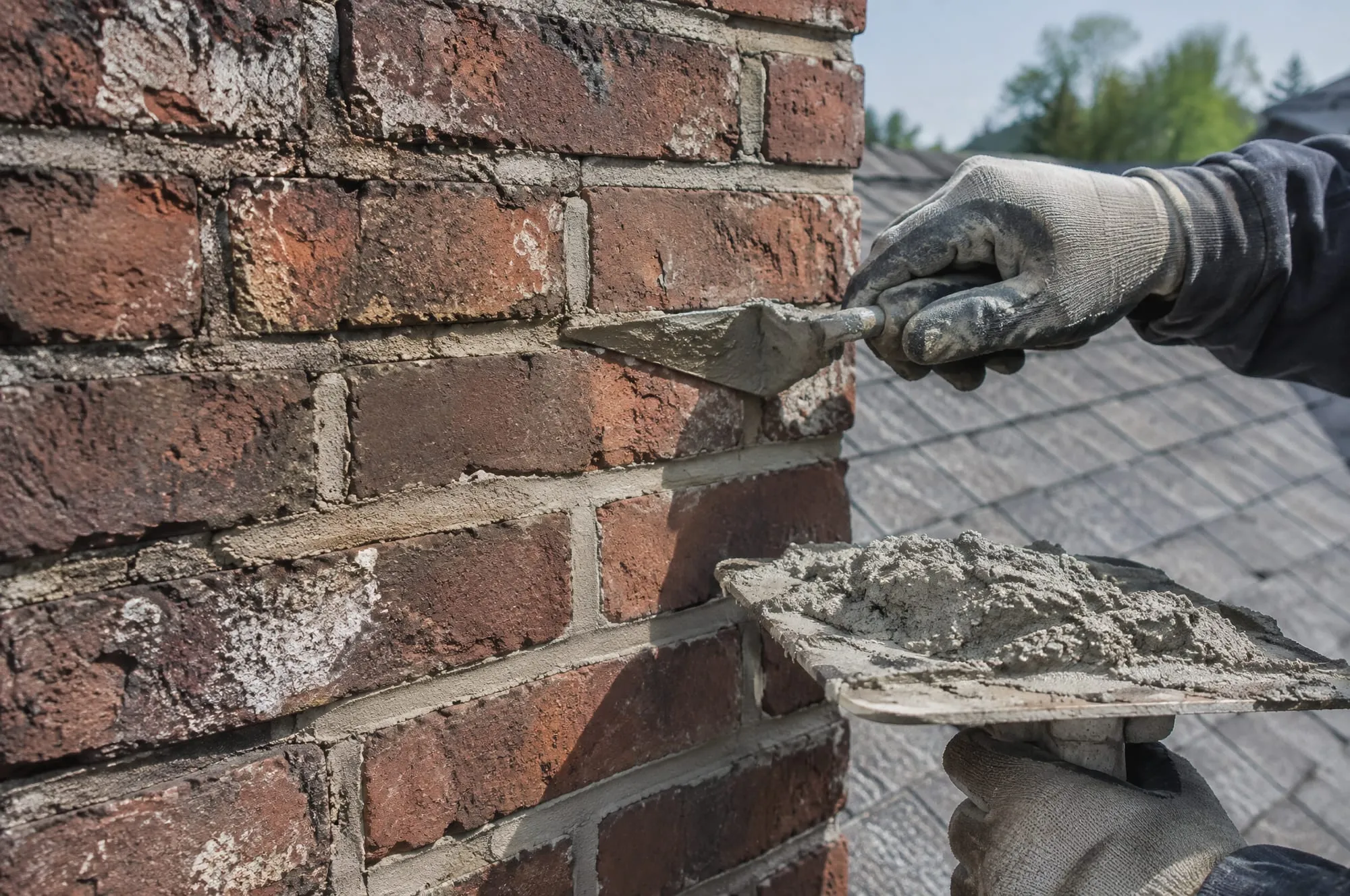
Crown, Flashing & Masonry
Crown rebuilds, new flashing, repointing, and brick replacement that stop leaks.
Learn more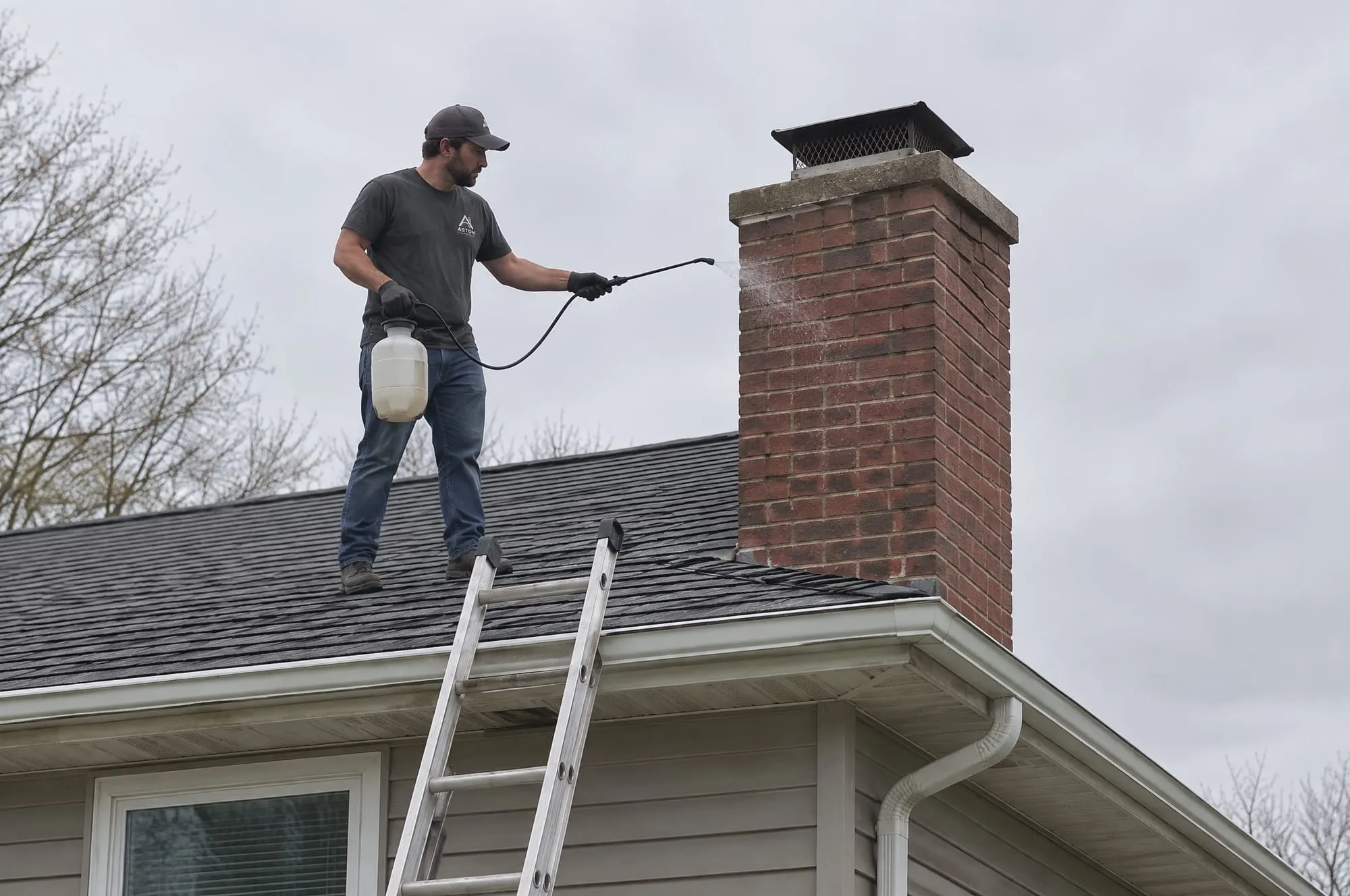
Waterproofing
Breathable water repellent that keeps rain out of the brick without trapping moisture.
Learn more
Talk to someone about your chimney or air ducts.
Our line is answered 24/7. Or send a short request and we’ll call you back.